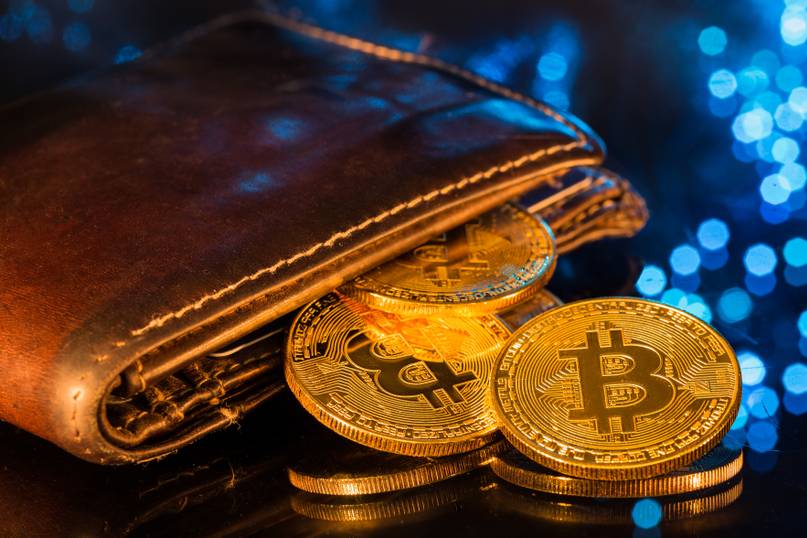
Bitcoin surged above the 71,000‑dollar mark on Wednesday, helping lift the broader market capitalization of digital assets above 2.5 trillion. Risk‑on sentiment was boosted by easing geopolitical tensions in the Middle East, particularly a U.S.–Iran ceasefire that calmed oil‑price volatility and triggered a wave of short‑covering across crypto derivatives.
Ethereum surged back above $2,200, hitting $2,245.47—a 6.73 percent gain over the past 24 hours.
That lift has pushed Ethereum’s market capitalization back to over $270 billion, re‑firming its position as the second‑largest cryptocurrency by size.
Bitcoin last traded around $71,674.19 on Wednesday, marking a gain of roughly 4.6 percent over the past 24 hours. The move took the world’s largest cryptocurrency back toward the upper end of its recent trading range, following a brief dip below $69,000 earlier in the week amid jitters over U.S.–Iran relations.
Analysts say the rebound reflects both macro‑driven flows—from traders rotating out of safe‑haven assets and into riskier digital assets—and a liquidation‑driven short squeeze that wiped out more than half a billion dollars in leveraged bearish positions in a matter of hours. With Bitcoin’s market cap now hovering near $24–25 trillion in local currency terms, many institutional desks describe the asset as “consolidating within a new, higher support zone” rather than in a true bear market.
On‑chain and derivatives metrics increasingly point to a potential rebound, with growing open interest in ETH futures, rising stablecoin liquidity on Ethereum‑based decentralized exchanges, and bullish skew in options implied volatility. Some analysts argue that Ethereum is transitioning from a “beta‑chaser” to a more fundamentals‑driven asset, with steady growth in protocol revenue from DeFi, NFTs, and Layer 2 networks.
Read more: Bitcoin dips below $70,000 amid U.S. regulation uncertainty
Broader altcoin market lifts spirits
Major altcoins such as XRP, Solana, and Zcash all posted gains, while several high‑performance Layer 1 chains, including Sui and Sei, saw double‑digit percentage moves in their native tokens.
An “altcoin season index” that tracks the relative strength of smaller cryptocurrencies versus Bitcoin has also climbed into the mid‑30s, signaling that capital is beginning to spill over from the two largest assets into a wider universe of projects. This rotational behavior is often seen at the later stages of a bullish cycle, as traders seek higher‑beta plays once the flagship coins stabilize.
Regulatory and macro backdrop remains key
Underpinning much of the optimism is the sense that 2026 may finally be the year that major economies adopt clearer, more consistent crypto‑regulatory frameworks. Several large‑cap exchanges and asset managers have begun marketing Bitcoin‑backed and Ethereum‑backed products under newly defined rules, drawing institutional inflows that help anchor the price floor.
At the same time, persistent macro uncertainty—especially around U.S.‑Iran relations, oil markets, and global inflation—continues to drive flows into digital assets as a hedge against currency debasement and financial instability. Central‑bank‑watchers note that some major economies are quietly experimenting with blockchain‑based settlement systems and even limited tokenized bond trials, which could further legitimize crypto infrastructure over the next 12–18 months.
Consolidation, not euphoria
Despite the strong day‑on‑day performance, sentiment remains cautiously bullish rather than outright euphoric. The Fear & Greed Index for crypto, which measures market psychology, sits in the low‑to‑mid‑range of fear, suggesting that traders are still wary of another pullback rather than confident in a runaway bull run.