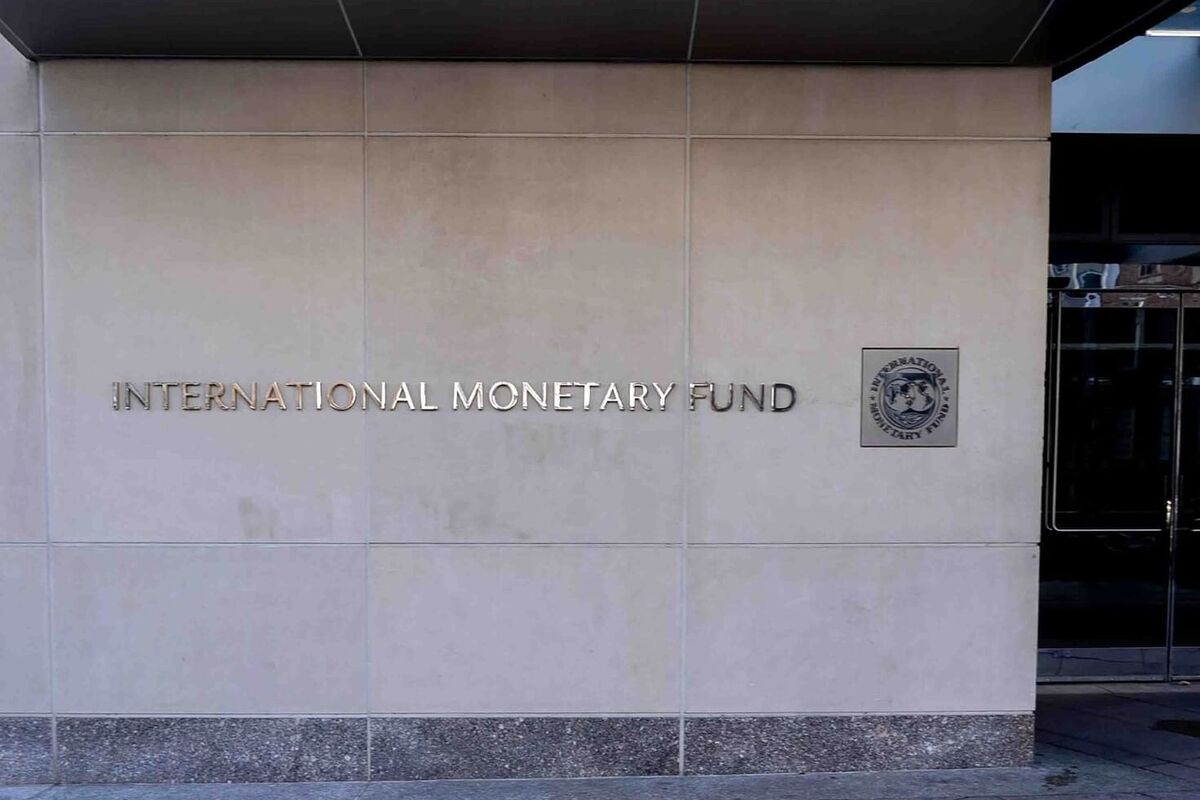
Stablecoins, digital payments, central bank digital currencies (CBDCs) and tokenization are reshaping the future of finance while creating new challenges for regulators and policymakers, according to the International Monetary Fund (IMF).
In its 2026 Annual Report, Navigating a Precarious World, the IMF said digital finance continued to expand its reach in 2026, creating both new opportunities and risks for the global financial system.
The Fund said stablecoins have become an area of renewed focus, while progress on tokenization continues and many countries advance their work on CBDCs.
Stablecoins gain traction
After years of development and experimentation, governments in major jurisdictions and financial sector institutions are increasingly institutionalizing blockchain and distributed ledger technologies, the IMF said.
Stablecoin growth has remained robust, with their use in cross-border payments and remittances also expanding, although such applications remain relatively small.
However, the IMF warned that stablecoins can become unstable if the value of their underlying assets declines or users lose confidence in them.
Large-scale redemptions could also create risks for markets for government bonds held by stablecoin issuers. The Fund said policymakers are particularly focused on potential implications for financial stability, currency substitution, including dollarization, and financial integrity.
Tokenization moves towards commercial use
Tokenization, which involves recording and transferring assets on a widely shared, trusted and programmable digital ledger, remains in its early stages but is increasingly moving towards commercial deployment.
The IMF also highlighted potential risks associated with the speed of tokenized transactions.
It cautioned that tokens could accelerate transactions to the point of triggering “flash crashes”, in which asset valuations move sharply and rapidly, leaving too little time for human intervention.
CBDC development advances
Many IMF member countries continue to develop CBDCs to capture the benefits of digitalization while addressing some associated risks.
The European Central Bank concluded the preparation phase for a digital euro in October 2025, establishing the technical foundations for the potential issuance of a digital currency.
The IMF said maintaining national currencies can allow countries to retain monetary policy tools for managing their economies, while also supporting efforts to combat money laundering and terrorism financing.
IMF calls for global regulatory coordination
Against the backdrop of rapid digital-finance development, the IMF continues to advocate coherent global regulatory frameworks.
The Fund said this should include managing stablecoin-related risks in line with recommendations from the IMF, the Financial Stability Board and the Bank for International Settlements, while improving interoperability between payment systems.
The IMF also said it is sharing knowledge and expertise with member countries to help them manage capital-flow volatility and preserve their ability to manage exchange rates during disorderly market conditions.
The developments underscore the growing importance of digital finance in the global financial system, while highlighting the need for regulatory frameworks to evolve alongside new forms of money, payments and asset ownership.