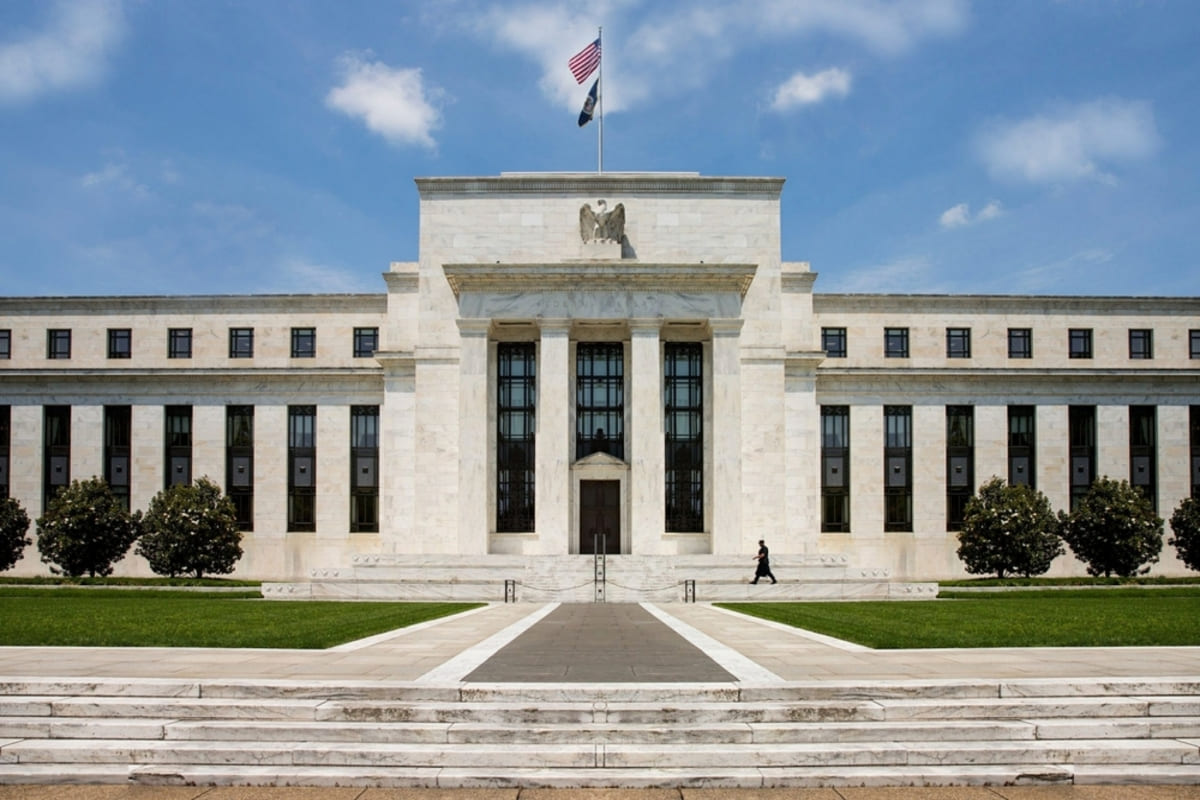
The U.S. Federal Reserve Board has requested public comment on two proposals aimed at establishing a regulatory framework for payment stablecoin issuers supervised by the central bank under the GENIUS Act.
The proposals, announced on September 24, would set requirements for stablecoin reserves, capital, risk management and applications by banks seeking to issue payment stablecoins.
Proposal requires issuers to fully back their stablecoins with permitted reserve assets
Under the first proposal, Board-supervised payment stablecoin issuers would be required to fully back their stablecoins with permitted reserve assets, including short-term US Treasury bills and other high-quality, liquid assets.
The proposal would also introduce standardized capital requirements to address credit and operational risks associated with payment stablecoin activities, alongside risk-management standards required under the GENIUS Act.
In addition, the framework would establish rules for Board-supervised firms that safeguard the assets backing payment stablecoins. It would also clarify which stablecoin-related activities are permissible for banks supervised by the Federal Reserve.
Fed outlines stablecoin application process
The Federal Reserve’s second proposal would establish a tailored application process for Board-supervised banks seeking approval to issue payment stablecoins.
Applicants would be required to submit a business plan, financial information and other documentation as part of the approval process. The proposal would also establish procedures for appeals, hearings and final determinations on applications.
The Federal Reserve said the comment period will remain open for 60 days after the proposals are published in the Federal Register.
The proposals form part of the Federal Reserve’s implementation of the GENIUS Act, which establishes a federal framework for payment stablecoins.
Read: Stablecoins, digital payments and tokenization are reshaping the future of finance, says IMF
Barr calls for strong safeguards
Federal Reserve Governor Michael S. Barr said the regulatory framework should provide strong safeguards and consumer protections, arguing that stablecoins need to be reliably and promptly redeemable at par under a range of market conditions.
Barr said he supports the proposed rulemaking and highlighted provisions covering reserve-asset limitations and standardized capital requirements. He also called for public feedback on whether the framework adequately addresses interest-rate and foreign-currency risks. He said the final rules should make universal redemption rights clear to support confidence in access to funds.
Barr also raised concerns about the treatment of anti-money laundering deficiencies. He pointed to a separate July proposal under which the Federal Reserve would be prevented from taking supervisory or enforcement action over an anti-money laundering deficiency unless it constituted a “significant or systemic” issue.
According to Barr, the standard could have implications for the Federal Reserve’s ability to establish that an institution has maintained compliant anti-money laundering programs.
Barr said further work would be needed to establish stablecoins as reliable payment instruments, while the proposed rules mark a step toward implementing the GENIUS Act.