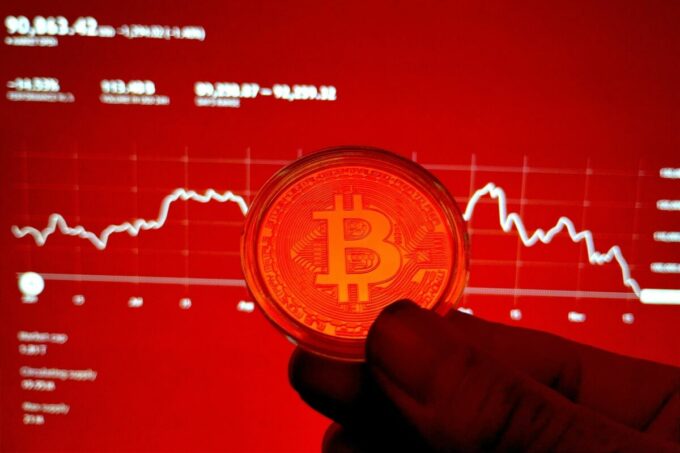
Bitcoin edged higher on Monday, supported by a broader rally in technology stocks, although gains were capped by investor caution following the fallout from a U.S. military offensive against Venezuela.
Markets are now turning their attention to a packed week of economic data, with December’s U.S. nonfarm payrolls report firmly in focus.
The world’s largest cryptocurrency rose 1.52 percent to $92,891 by 10:14 GMT, benefiting from strength in tech equities, which it often tracks. Optimism around artificial intelligence supported the sector, lifting broader crypto prices alongside Bitcoin.
Broader cryptocurrency prices posted modest gains in line with Bitcoin’s movement. Ether, the world’s second-largest cryptocurrency, gained 0.97 percent to $3,173.57, while XRP climbed 3.22 percent to $2.14, and BNB advanced 1.81 percent to $902.31.
Geopolitical tensions limit crypto gains
The modest recovery in prices comes after Bitcoin lost 6.4 percent in 2025, as investor enthusiasm cooled in the second half of last year amid growing doubts over the long-term outlook for digital assets.
Gains across Bitcoin and the wider cryptocurrency market were restrained by heightened geopolitical caution following a U.S. military intervention in Venezuela.
Geopolitical tensions were further amplified after Trump warned of potential similar actions against Colombia and Cuba, while also raising the prospect of military action against Iran.
The escalation boosted demand for traditional safe-haven assets, with both gold and the U.S. dollar attracting strong inflows.
Momentum fades in the final quarter of 2025
Bitcoin’s early 2026 gains were partly fueled by bargain buying after the world’s largest cryptocurrency fell 6.4 percent in 2025.
Although Bitcoin surged to multiple record highs last year on optimism around stronger regulatory backing under the Trump administration, momentum faded in the final quarter. The shift in sentiment was driven by rising concerns over the long-term viability of Bitcoin treasury firms, including Strategy, particularly after the company was excluded from a major U.S. equity index.
Investor confidence was further shaken by a flash crash in October that rattled crypto markets, while institutional inflows into crypto-linked funds appeared to slow over the past quarter.