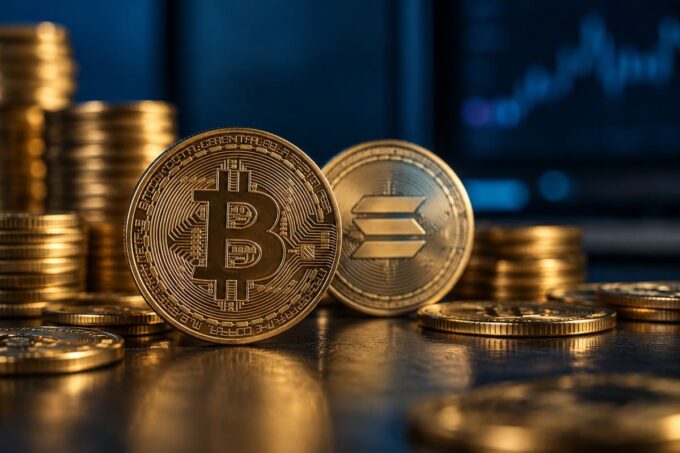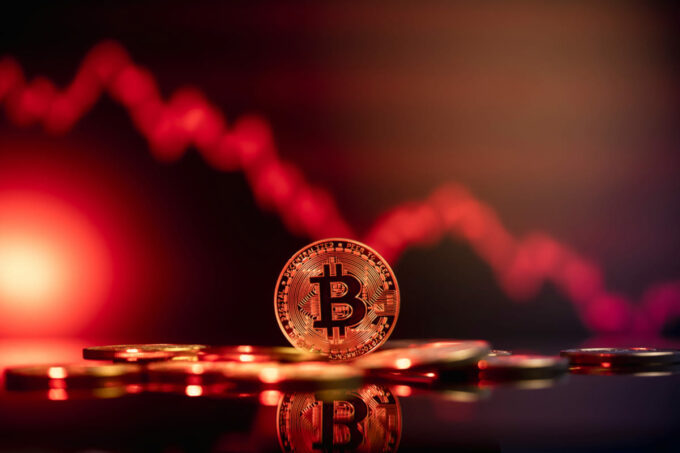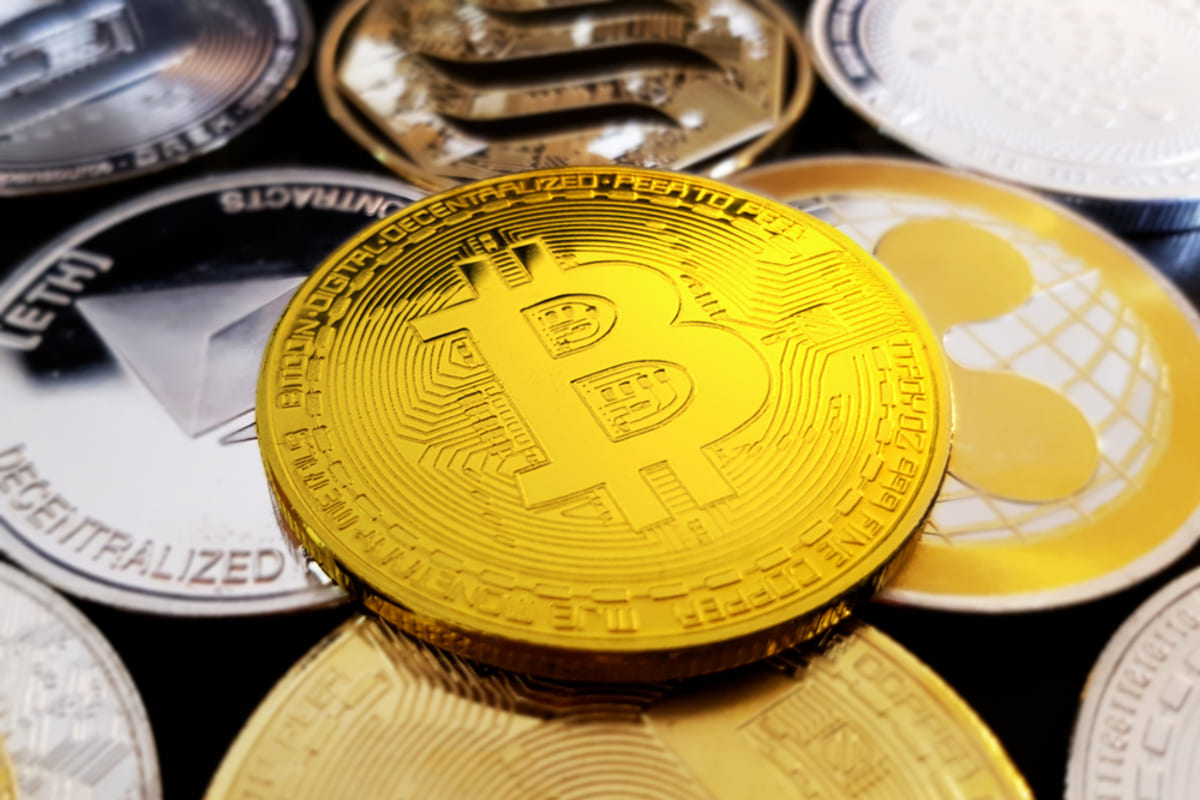
Bitcoin (BTC) is trading at $74,024.48 as of Wednesday, maintaining a steady position with a modest 1.04 percent dip over the last 24 hours. The leading digital asset holds a market dominance of 57.34 percent, with a total market capitalization of $1.48 trillion. This stability comes despite a prevailing sentiment of extreme fear in the broader market, as the Fear and Greed Index has dropped to 23. While traditional equities have shown sensitivity to recent macroeconomic shifts, Bitcoin continues to act as a primary anchor for the digital asset ecosystem, supported by consistent institutional accumulation through spot ETFs.
The total cryptocurrency market capitalization currently stands at $2.60 trillion, reflecting a landscape characterized by high trading volumes totaling $126.52 billion daily.
Altcoins slide amid resistance
Ethereum (ETH), the second-largest cryptocurrency, is experiencing more significant downward pressure, trading at $2,328.71 with a 2.48 percent decline over the last day. Ethereum’s market dominance remains at 10.83 percent, yet it faces technical resistance as investors monitor the impact of the recently delayed Dencun upgrade and the entry of major financial institutions like Schwab into direct ETH trading.
Solana (SOL) is currently priced at $83.19, experiencing a sharper 3.39 percent decline within the 24 hour window. Despite the immediate price retreat, the network continues to see high activity levels. Broader market liquidations are impacting high-beta altcoins, with Solana’s support levels being tested as retail sentiment remains cautious. Additionally, Binance Coin is trading at $614.78 with a 0.54 percent dip.
Ripple (XRP) is trading 1.41 percent lower at $1.35 following a 24-hour volume of $2.57 billion. The asset is benefiting from the live integration of Rakuten Wallet in Japan on April 15, 2026. This move allows over 100 million users to convert loyalty points into XRP for retail payments, providing a significant boost to organic demand. Furthermore, the Congressional Research Service recently reaffirmed XRP’s status as a digital commodity, reducing the regulatory overhang that has historically hindered its price action.
Macro jitters shape crypto
Macroeconomic conditions remain the primary driver of these valuations. The Federal Reserve has maintained interest rates at a range of 3.5 percent to 3.75 percent, a decision that has kept the cost of capital high and contributed to the jittery retail sentiment seen in the Fear and Greed Index. However, analysts from Goldman Sachs and other major firms suggest that the possibility of rate cuts later in 2026 provides a supportive long-term backdrop for Bitcoin. Institutional interest remains a consistent factor, with reports showing that Bitcoin’s market cap has grown nearly 5 percent from early April levels, even as global energy costs fluctuate due to regional tensions.
The divergence between established digital assets and speculative tokens is becoming more pronounced in the 2026 market. While Bitcoin and XRP are increasingly integrated into formal financial systems through ETFs and retail payment gateways, smaller projects like AlphaPepe are attracting speculative capital based on listing rumors. This environment requires a disciplined approach to risk management, as “Extreme Fear” often leads to over-leveraged liquidations in the altcoin sector. For now, the market’s focus remains on Bitcoin’s ability to hold the $74,000 level and Ethereum’s attempts to reclaim major resistance points above $2,350.