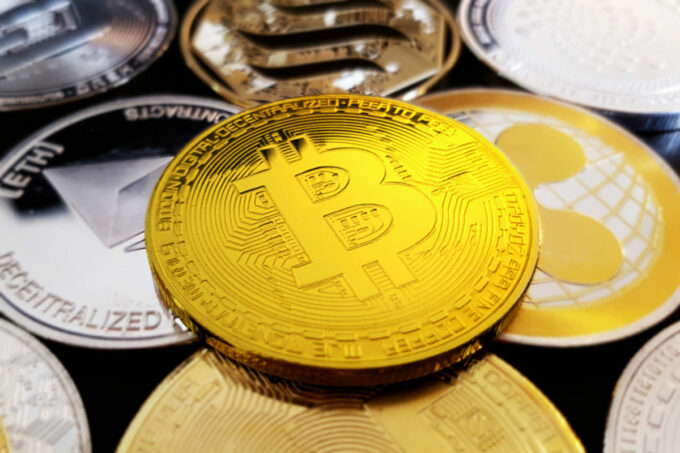
Bitcoin briefly reclaimed on Monday the psychological $80,000 threshold for the first time in three months. This rally, characterized by a 2.46 percent increase over the last 24 hours, has brought the flagship digital asset to an intraday peak of $80,393 during Asian trading hours. The total global cryptocurrency market capitalization has subsequently climbed to $2.74 trillion, supported by a robust 24-hour trading volume of $72.31 billion. Bitcoin continues to exert considerable market influence, maintaining a dominance rate of 58.59 percent. Bitcoin is currently trading near $79,000.
Market sentiment has been primarily influenced by a shift in macroeconomic conditions and geopolitical de-escalation in the Middle East. Reports indicate that a positive response from the United States regarding regional peace proposals has led to a nearly 5 percent decline in crude oil futures, easing the inflationary pressures that had previously dampened investor appetite for risk assets. Furthermore, the legislative landscape in Washington is providing fresh momentum as the Clarity Act, a landmark digital asset market structure bill, nears a bipartisan markup in the Senate. Analysts suggest that the removal of regulatory ambiguity is a primary driver for the current institutional surge.
Institutional participation through spot Bitcoin Exchange-Traded Funds (ETFs) has reached a turning point in 2026. On the first day of May, U.S. spot Bitcoin ETFs recorded $630 million in net inflows, extending a positive trend from April, which saw a total of $1.97 billion in net new capital. BlackRock’s iShares Bitcoin Trust (IBIT) remains the sector leader, contributing approximately $2 billion in inflows throughout April alone, effectively offsetting outflows from other products like Grayscale’s GBTC. Cumulative net inflows across all U.S. spot Bitcoin ETFs since their inception in January 2024 have now surpassed the $58 billion mark.
Read more: Bitcoin rises above $77,000 as stock markets rally on improved risk appetite
Ethereum ETFs rebound
Ethereum has followed Bitcoin’s lead, posting a 3.45 percent gain to trade at $2 381.61. The network has benefited from the long-term impact of its April 2026 Shanghai upgrade, which significantly enhanced transaction efficiency and reduced costs. For the first time since late 2025, Ether ETFs also recorded positive monthly inflows in April, totaling $356 million, signaling a potential reversal in the cautious sentiment that had surrounded the asset earlier in the year. Ethereum pulled back but is now trading 1.08 percent higher at $2,339.54.
The broader altcoin market is showing signs of increased polarization, with capital flows concentrating on projects with clear utility and institutional backing. Solana is currently trading at $83.43, reflecting a stable performance despite recording its smallest monthly ETF inflow on record at $38.7 million in April. Other major assets such as XRP and Dogecoin have also benefited from the general market uplift, though they remain sensitive to broader liquidations. The era of synchronized market movements appears to be transitioning into a more selective environment where fundamental developments carry more weight than pure speculation.
Security and regulatory enforcement remain central themes in the 2026 market landscape. A recent coordinated international operation led by the Dubai Police, in partnership with the FBI and Chinese authorities, resulted in the arrest of 276 individuals and the closure of nine cryptocurrency scam centers. This crackdown led to the seizure of $701 million in illicit funds, highlighting a more rigorous global approach to financial crime in the digital asset space. The enforcement actions are viewed by market participants as a necessary step toward achieving mainstream maturity and protecting retail investors.